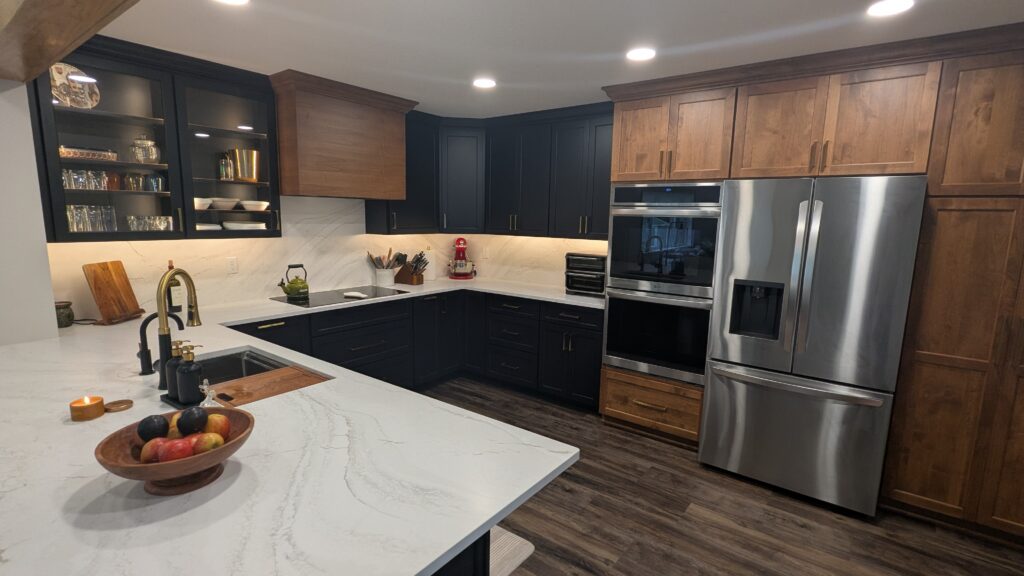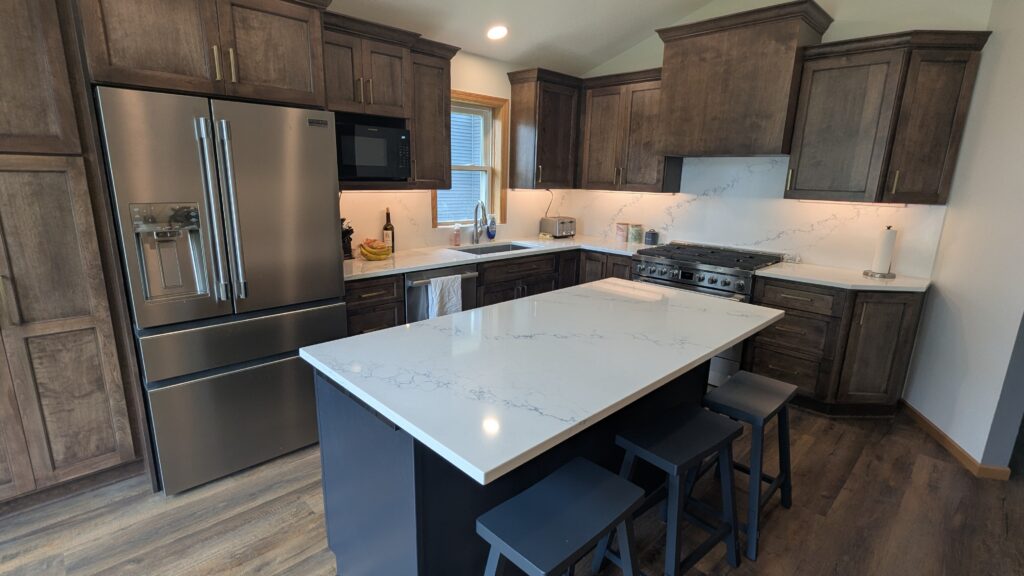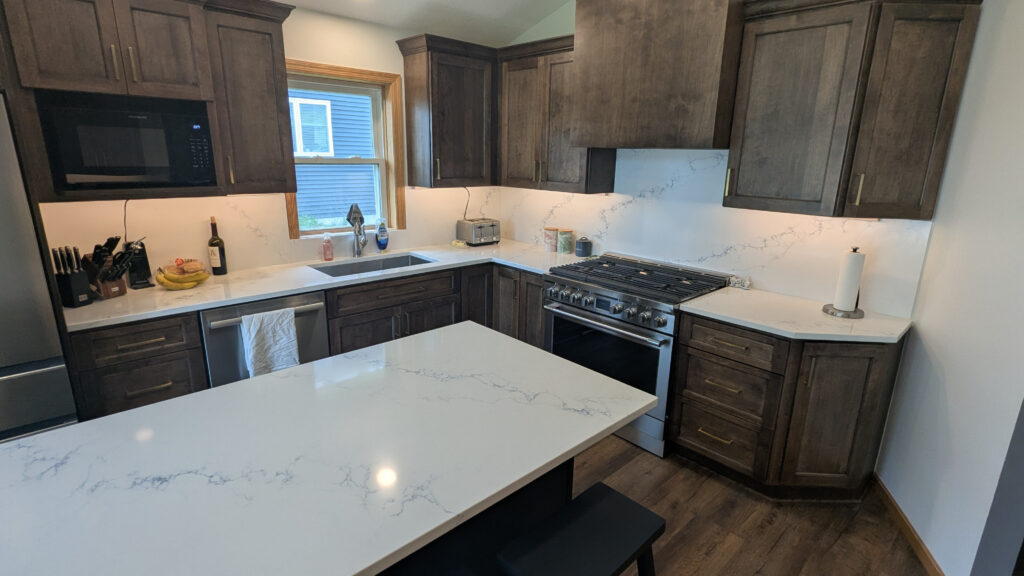
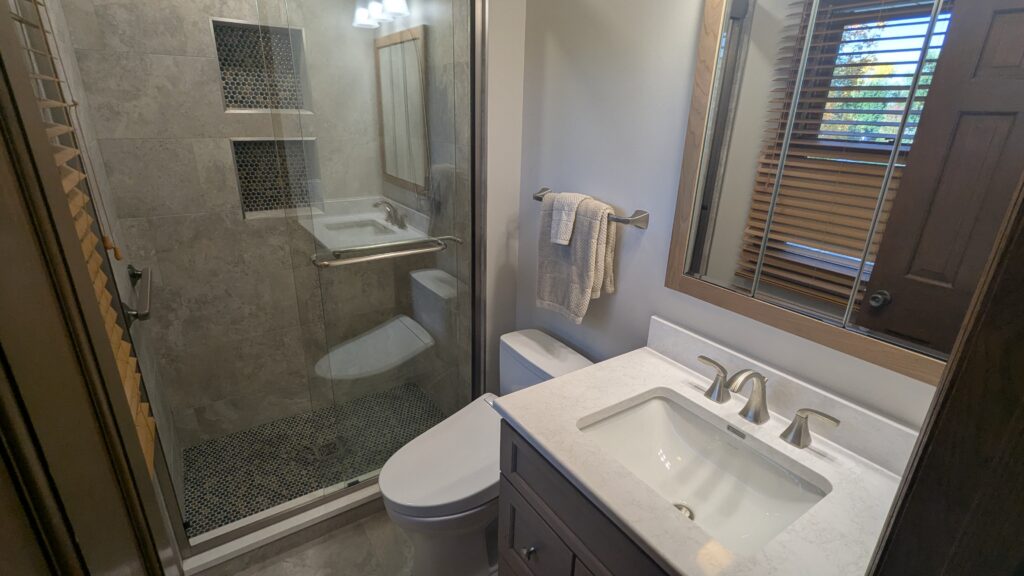
Nobody wakes up one morning and decides the kitchen has to go. It starts smaller. The drawer sticks, again. The faucet drips, again, and you’re standing there at 6 a.m. in your socks wondering when exactly this got so annoying.
Here’s the thing about those little frustrations: one of them is nothing. A pile of them is a message. Your home might be telling you it can’t keep up with how you live now, and a remodel (a well-planned one, anyway) can answer that in a way another weekend of patching never will.
The repair list that never gets shorter
Every house needs upkeep, no question. But if your handyman knows your address by heart, take a second look at that list. Grout that keeps cracking. Floors with a bit of a slope. Doors that stick every humid July. Those usually aren’t separate problems, they’re symptoms, and a patch only hides them for a few months.
Remodeling lets you go after the cause instead. Swap out the worn-out stuff behind the walls, put in materials that’ll hold up, and quit paying for the same fix twice. Over time it often costs less than the endless Band-Aids, and honestly, there’s a certain peace in knowing the part you can’t see is solid.
The house made sense once
Maybe it fit you perfectly when you moved in. Then the kids got bigger, or you started cooking for twelve at the holidays, or you realized two adults can’t share a bathroom mirror without trading elbows. Rooms don’t change. People do.
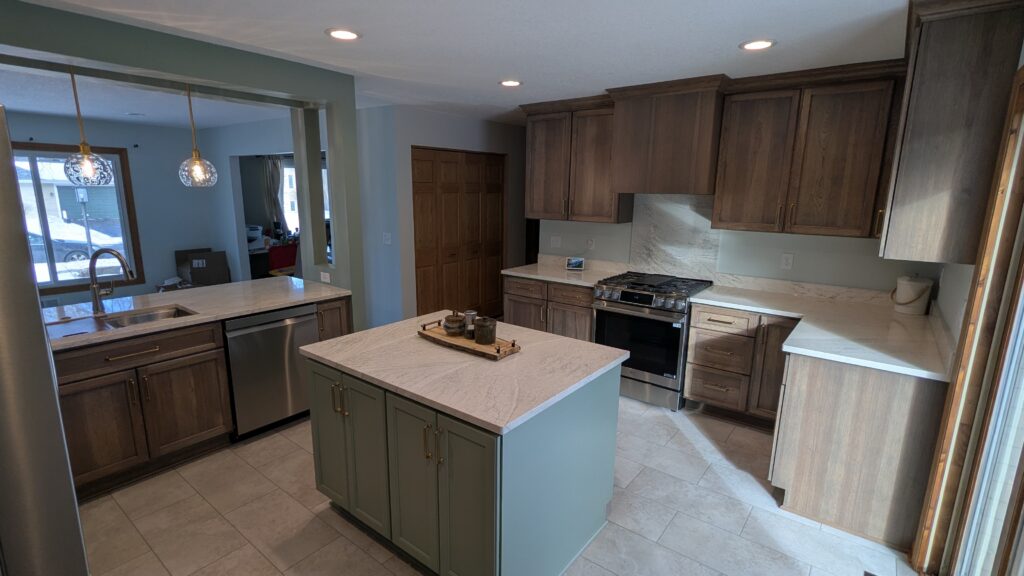
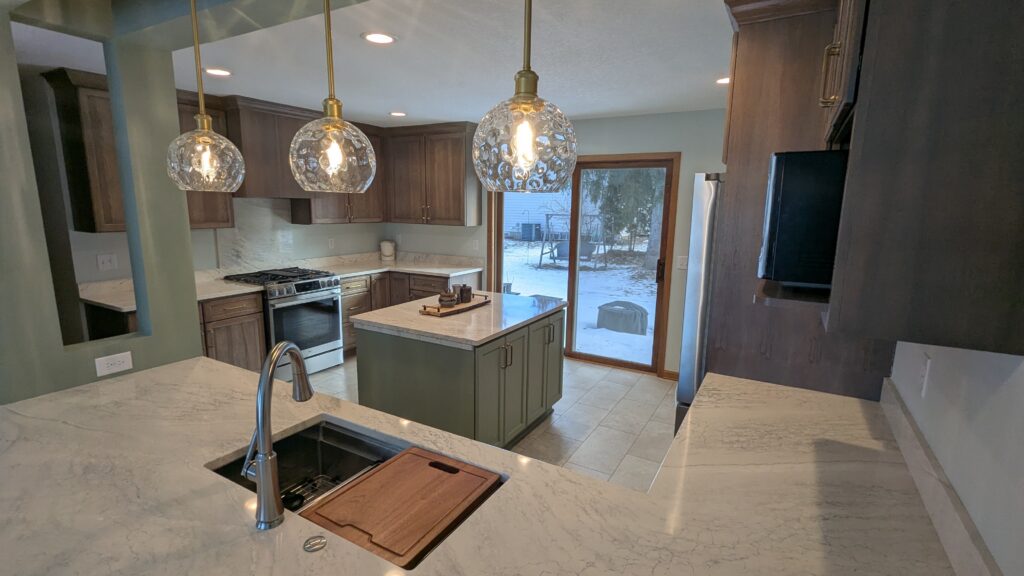
Sometimes the fix is bigger than you’d guess, like taking out a wall so the kitchen opens to where everybody ends up hanging out anyway. Sometimes it’s a few feet of added space, or a doorway moved over a little. Small shifts in layout can change how a whole day feels.
You’ve tried every storage hack out there
Bins, baskets, label makers, that one shelf organizer your neighbor swore by. And the clutter’s still winning? Maybe it isn’t your fault. Plenty of older homes were simply built without the storage a modern household needs, and no amount of tidying fixes a design problem.
A remodel can start from the storage side. Deep drawers where the pots and pans actually fit. A pull-out tucked beside the bathroom vanity. A closet built around your stuff, not some generic box. When everything has a home, the whole house breathes easier.
Thinking about a For Sale sign?
If a move is somewhere on the horizon, updating the right spaces can pay you back. Buyers respond to kitchens and baths that feel fresh, and they notice a home that’s been looked after. New counters, better flooring, brighter lighting: even modest changes show up in photos and at showings. You don’t need to gut the place, either. Mid-range updates, done smartly and within a budget you’re comfortable with, can do plenty of the work. We’ll tell you straight which projects are worth the money before a listing and which ones aren’t.
Planning to stay put for good
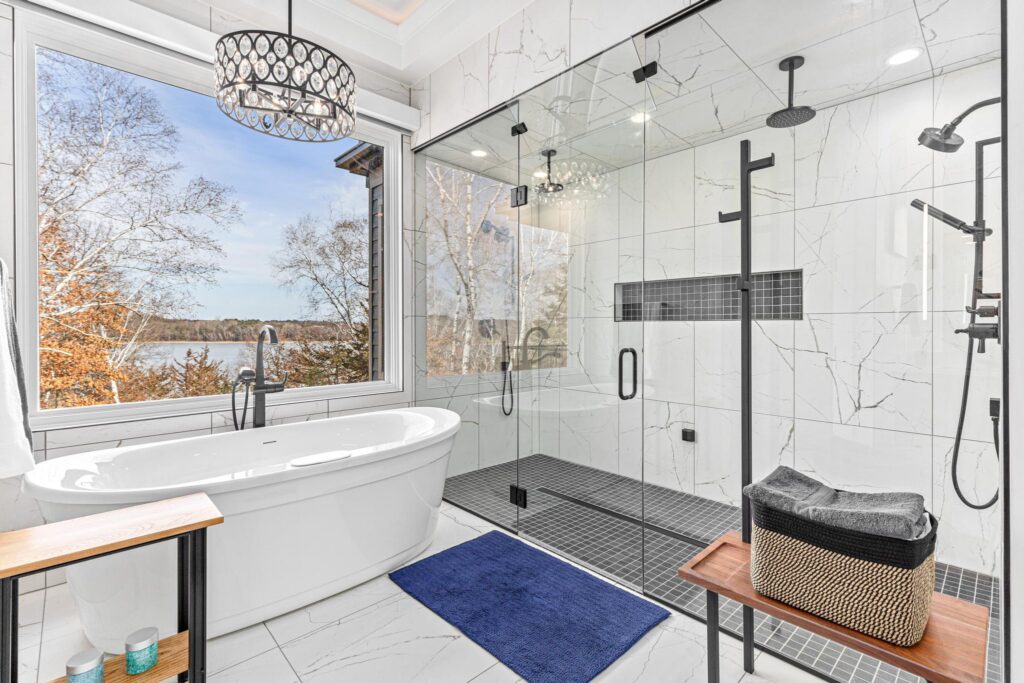
Some folks aren’t leaving at all. They love the neighborhood, the neighbors, the maple out front, and they want the house to keep working as the years go by. That’s where aging-in-place updates come in, and no, they don’t have to look like a hospital. Wider doorways that match your trim. A low-threshold shower with tile you actually picked because you like it. Non-slip flooring that suits your style, and lighting that’s safer and warmer at the same time.
Plan for it now, while you can take your time and make good choices, and the house adapts alongside you.
So, what’s next?
If any of this sounded a little too familiar, that’s okay. It doesn’t mean you have to tear everything apart tomorrow. It might just mean it’s time to talk.
We’re a family-owned company right here in Woodbury, and we work with homeowners across the eastern metro of St. Paul. Mid-range remodels, honest budgets, and a relationship that doesn’t end when the last coat of paint dries. We’d like to be your remodelers for life, whatever that turns out to look like for your house.
Reach out for a free consultation. We’ll walk through the space, hear what’s bugging you, and help you figure out a good first step.